If you were looking for a way to send someone money during the pandemic, you…
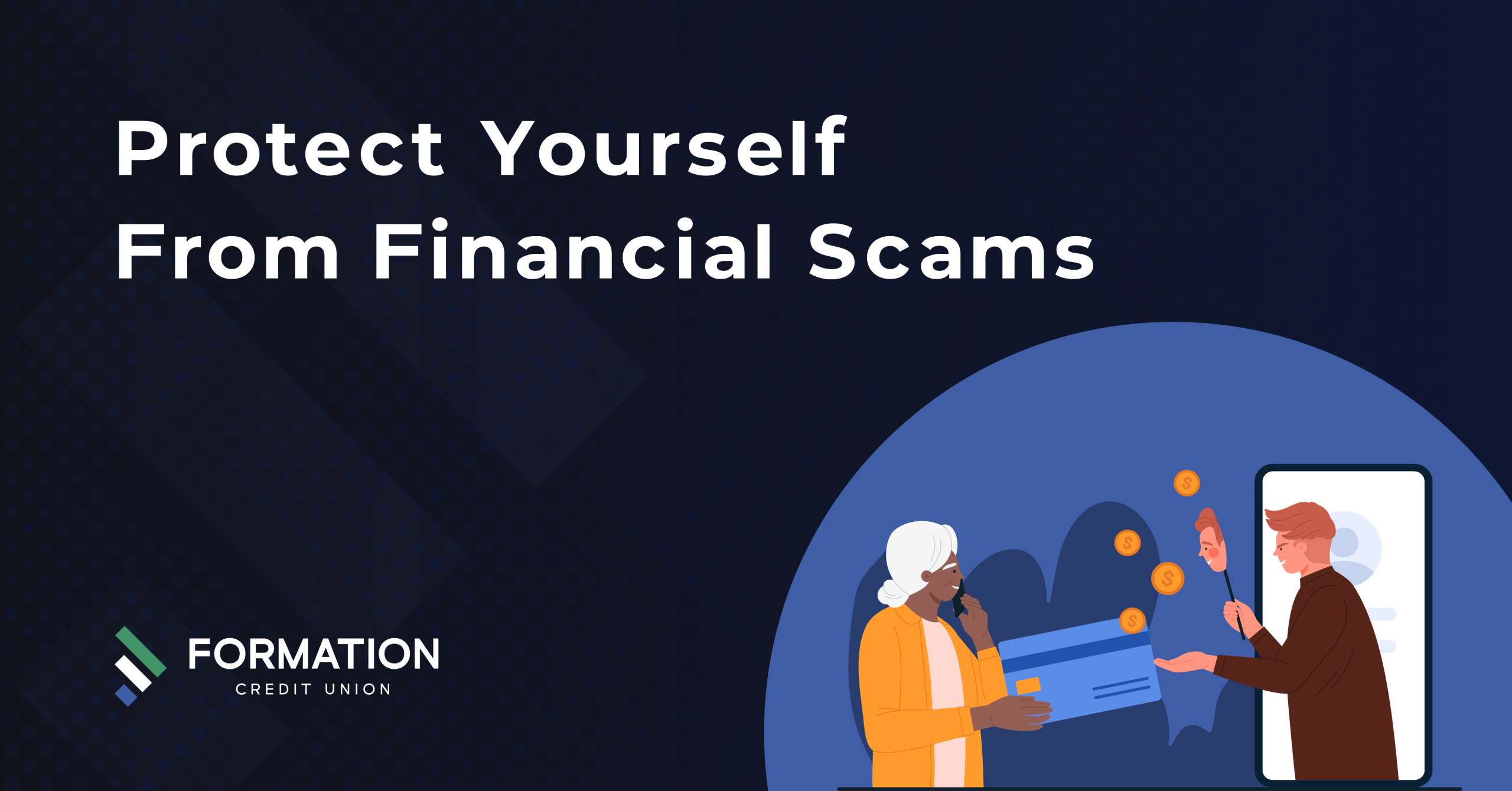
How to Protect Yourself From Financial Scams and Fraud
Financial scams are becoming more sophisticated, but a few smart habits can go a long way toward protecting your money and personal information. Knowing what to look for can help you recognize suspicious activity before it becomes a costly problem.
If you are wondering how to avoid financial scams, start with these practical steps.
Be Cautious With Unexpected Messages
Federal Trade Commission data shows consumers reported $3.5 billion in losses to imposter scams in 2025. These scams often involve fraudsters posing as trusted organizations through calls, texts, emails or social media and creating a false sense of urgency to pressure people into acting quickly.
Before clicking a link, sharing information or sending money, verify the request through a trusted source. Contact the organization directly using a phone number or website you already know is legitimate.
Never Share Sensitive Information Unexpectedly
Be especially careful when someone asks for information such as your:
- Account or routing numbers
- Debit or credit card information
- Online banking password
- PIN
- Social Security number
- Security or verification codes
Legitimate organizations should not pressure you to provide sensitive information through an unexpected call, text or email.
Watch for Urgency and Pressure
One of the most common warning signs of a scam is pressure to act quickly. A scammer may tell you that your account will be closed, your money is at risk or you must make a payment immediately.
Pause before responding. Taking a few minutes to verify the situation can help you avoid making a decision based on fear or urgency.
Use Strong Account Security
Protect your financial accounts with unique passwords and enable multifactor authentication whenever it is available. Avoid reusing the same password across multiple websites or accounts.
It is also a good idea to regularly review your account activity so you can spot unfamiliar transactions quickly.
Be Careful With Unusual Payment Requests
Be suspicious if someone unexpectedly asks you to pay using gift cards, cryptocurrency, wire transfers or another difficult-to-reverse payment method. Before sending money, make sure you know exactly who you are paying and why.
Monitor Your Accounts Regularly
Checking your accounts frequently can help you identify suspicious activity early. Review transactions, statements and account alerts, and report anything you do not recognize as soon as possible.
When in Doubt, Stop and Verify
Scammers count on people reacting quickly. Giving yourself time to think is one of the simplest ways to protect yourself.
If something does not feel right, stop the conversation immediately and verify the request independently. And if you notice suspicious activity involving your Formation Credit Union account, contact the credit union directly.
Protecting yourself from fraud starts with staying informed, paying attention and knowing when to question an unexpected request. A little caution today can help protect your financial well-being for the future.
Related Posts